
With advantages including flexible design, short development cycles, and strong protein expression capabilities, mRNA technology has been increasingly applied in cutting-edge biomedical fields such as vaccine development, protein replacement therapy, and gene editing. However, due to its limited stability, mRNA is susceptible to degradation by nucleases in the body and cannot directly cross cell membranes. Therefore, achieving safe and efficient intracellular delivery remains a critical challenge limiting the further development and application of mRNA technologies.
Lipid nanoparticles (LNPs) are currently one of the most clinically advanced non-viral delivery platforms for mRNA, providing an important technical approach to address mRNA instability and intracellular delivery challenges. In 2018, the FDA approved Onpattro, an LNP-based siRNA therapeutic, marking the clinical advancement of LNP delivery technology. Subsequently, LNP-based mRNA COVID-19 vaccines were approved, further validating the application potential of this delivery platform. With continued advances in research, ionizable lipids, as key functional components of LNPs, have become an important focus for improving mRNA delivery efficiency through structural optimization.
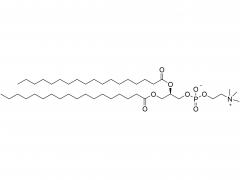
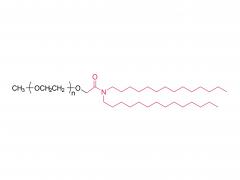
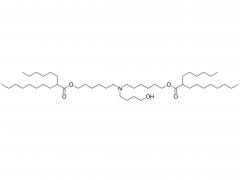
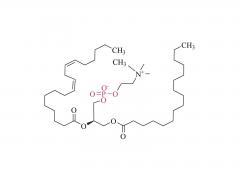
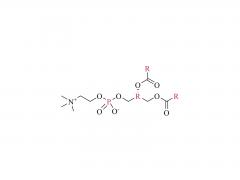
Conventional LNPs are mainly composed of ionizable lipids, helper phospholipids, cholesterol, and PEGylated lipids. These components collectively influence the structural stability, in vivo behavior, and delivery performance of LNPs. Among them, ionizable lipids play essential roles in mRNA encapsulation, LNP assembly, and endosomal escape. Their molecular structures also influence cellular uptake and tissue distribution of LNPs. Notably, Onpattro utilizes MC3, Moderna’s mRNA vaccine platform employs SM-102, and the BioNTech/Pfizer mRNA vaccine uses ALC-0315. Despite sharing similar overall LNP compositions, the selection of different ionizable lipids highlights their significant impact on LNP delivery performance.
Ionizable Lipids: Key Components Connecting “Encapsulation” and “Intracellular Release”
Ionizable lipids typically consist of hydrophilic head groups, linker structures, and hydrophobic tails. Their key feature is the ability to regulate their charge state in response to changes in the surrounding environment.
Under acidic conditions during LNP formulation, ionizable lipids become protonated and positively charged, enabling interactions with negatively charged mRNA and promoting nucleic acid encapsulation. Under near-physiological pH conditions (approximately 7.4), ionizable lipids remain largely neutral, which helps reduce nonspecific interactions and improve biocompatibility. After LNPs are taken up by cells and enter acidic endosomes, ionizable lipids undergo protonation again and interact with endosomal membranes, inducing membrane disruption and facilitating mRNA escape into the cytoplasm, thereby initiating protein translation.
Therefore, a high-performance ionizable lipid is not simply designed to achieve stronger mRNA binding. Instead, it requires a balance among encapsulation efficiency, cellular uptake, endosomal escape, biocompatibility, and biodegradability. This balance represents the core principle underlying the structural design of next-generation ionizable lipids.
Fine Structural Regulation: Enhancing mRNA Delivery Efficiency at the Molecular Level
The performance of ionizable lipids originates from the synergistic effects of structural modules including head groups, hydrophobic tails, and linkers. Researchers have continuously explored optimal balances between delivery efficiency and safety by tuning these structural parameters.
Among these components, the head group directly affects lipid protonation behavior and apparent pKa, serving as a critical factor regulating mRNA interaction and endosomal release. Studies on intramuscular mRNA delivery have shown that certain ionizable lipids with apparent pKa values around 6.6–6.9 can achieve favorable delivery performance and immune responses. Meanwhile, novel head groups such as secondary amine cyclic ethers have also attracted increasing attention. By modifying head group structures and their connection modes, these designs provide new opportunities for optimizing delivery activity.
Hydrophobic tails influence the spatial structure, membrane interactions, and delivery behavior of LNPs. Studies have demonstrated that variations in carbon chain length, unsaturation, double bond position, and branching structure can alter mRNA delivery performance. In the study “Optimization of the activity and biodegradability of ionizable lipids for mRNA delivery via directed chemical evolution,” researchers employed A³ coupling reactions and five rounds of directed chemical evolution to identify a series of asymmetric ionizable lipid candidates with improved delivery activity and biodegradability. The study further revealed the structure–activity relationships among head groups, ester linkages, and hydrophobic tails. Some ionizable lipids with cone-shaped molecular configurations are also considered beneficial for inducing membrane curvature changes and promoting endosomal membrane disruption.
Linkers connect different structural modules while regulating lipid stability and degradation behavior. The introduction of biodegradable structures such as ester bonds and disulfide bonds provides additional opportunities to improve lipid metabolism and biocompatibility. Related studies have shown that continuous optimization of linkers and hydrophobic tails can simultaneously enhance lipid delivery activity and biodegradability.
High-throughput Screening and AI Accelerate the Discovery of Novel Lipids
Due to the vast chemical space of ionizable lipids, traditional “design–synthesis–testing” approaches for identifying high-performance molecules face limitations in research efficiency. The development of combinatorial chemistry and artificial intelligence (AI) has provided new strategies to overcome these challenges.
Combinatorial chemistry approaches, including A³ coupling, thiolactone-based reactions, and Mannich reactions, enable the rapid construction of structurally diverse ionizable lipid libraries. These libraries can be further evaluated through standardized LNP formulation and biological screening platforms. Among these approaches, Mannich reaction-based combinatorial lipid libraries have led to the discovery of C-a16, an ionizable lipid with antioxidant properties. Studies have shown that C-a16 can reduce intracellular reactive oxygen species (ROS) generation and prolong protein expression. In mouse studies, C-a16 LNPs delivering Cas9 mRNA and sgRNA achieved a 2.8-fold higher TTR gene-editing efficiency compared with commercial LNPs, while delivery of FGF21 mRNA resulted in a 3.6-fold increase in protein expression.
With the continuous accumulation of experimental data, AI-assisted design is gradually becoming integrated into lipid development workflows, accelerating the transition from experience-driven to data-driven discovery. By leveraging deep learning models, researchers can perform virtual screening and performance prediction of large numbers of potential lipid structures, enabling rapid identification of promising candidates. In the study “Artificial intelligence-driven rational design of ionizable lipids for mRNA delivery,” researchers utilized artificial intelligence to predict the apparent pKa values and mRNA delivery performance of ionizable lipids and generated and screened nearly 20 million candidate lipids. Experimental validation showed that six candidate lipids identified in the second-round screening exhibited delivery performance comparable to or superior to MC3, with one candidate demonstrating delivery efficiency similar to SM-102.
From “Effective Delivery” Toward “Targeted Delivery”
As mRNA applications continue to expand, the design goals of ionizable lipids are gradually extending beyond simply improving transfection efficiency toward enhancing tissue selectivity, biocompatibility, and biodegradability. Different administration routes and tissues present distinct physiological barriers; therefore, a single lipid formulation may not achieve optimal performance across all delivery scenarios.
Currently, researchers are exploring the development of ionizable lipids targeting specific tissues such as the lungs and spleen, while further improving the in vivo behavior of LNPs through molecular architecture optimization and incorporation of biodegradable structures. From early classical lipids such as MC3, to clinically applied lipids including SM-102 and ALC-0315, and further to novel candidates discovered through combinatorial chemistry and AI-assisted approaches, ionizable lipids are evolving from simple LNP components into core materials capable of precise structural design and functional regulation.
Overall, structural optimization of ionizable lipids has become an important pathway for improving mRNA delivery efficiency. The synergistic design of head groups, hydrophobic tails, and linkers provides a foundation for molecular performance optimization; high-throughput combinatorial chemistry expands the available structural space, while AI further improves the efficiency of structure screening and performance prediction. As these technologies continue to integrate, novel ionizable lipids are expected to provide more stable and controllable delivery support for applications including mRNA vaccines, protein therapeutics, and gene editing.
From Structural Innovation to Material Support: Advancing LNP Delivery System Optimization
As LNP delivery technologies continue to advance toward improved delivery efficiency, enhanced tissue selectivity, and optimized safety profiles, higher requirements have been placed on the structural design, functional modification, and quality control of lipid excipients. From ionizable lipids to PEGylated lipids, phospholipids, and other key components, synergistic optimization among different materials has become an important foundation for improving LNP performance.
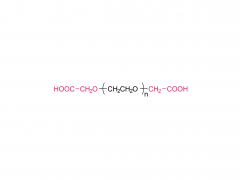
Xiamen Sinopeg Biotech Co., Ltd. continues to focus on emerging developments in nucleic acid delivery and lipid excipients. By expanding its portfolio of PEG derivatives, lipid-based materials, and functionalized biomaterials, the company provides material support for research and development of nucleic acid delivery systems, including mRNA and siRNA platforms.
References:
Yue Xu, Alex Golubovic, Shufen Xu, Anni Pan, Bowen Li; Rational design and combinatorial chemistry of ionizable lipids for RNA delivery. J. Mater. Chem. B 2023; 11 (28): 6527–6539. https://doi.org/10.1039/d3tb00649b
Han, X., Alameh, M.G., Xu, Y., Palanki, R., El-Mayta, R., Dwivedi, G., Swingle, K.L., Xu, J., Gong, N., Xue, L., et al. (2024). Optimization of the activity and biodegradability of ionizable lipids for mRNA delivery via directed chemical evolution. Nature Biomedical Engineering 8, 1412–1424.
Wang, W., Chen, K., Jiang, T. et al. Artificial intelligence-driven rational design of ionizable lipids for mRNA delivery. Nat Commun 15, 10804 (2024). https://doi.org/10.1038/s41467-024-55072-6
Couture-Senécal J. Rational design of ionizable lipids for intramuscular messenger ribonucleic acid vaccines. PhD Dissertation, University of Toronto, 2025.
Eric L. Dane, Aditya R. Pote, Martin Hemmerling, Werngard Czechtizky, Liping Zhou, Annette Bak; New ionizable lipids for non-viral mRNA delivery with secondary amine cyclic ether head groups. RSC Med. Chem. 2025; 16 (7): 3273–3280. https://doi.org/10.1039/d5md00115c
Heredero J, et al. Predictive Lung- and Spleen-Targeted mRNA Delivery with Biodegradable Ionizable Lipids in Four-Component LNPs. Pharmaceutics, 2025, 17(4): 459.
Li, J., Hu, J., Jin, D. et al. High-throughput synthesis and optimization of ionizable lipids through A3 coupling for efficient mRNA delivery. J Nanobiotechnol 22, 672 (2024). https://doi.org/10.1186/s12951-024-02919-1
Seo-Hyeon Bae, Jisun Lee et al.“Optimized Lipid Nanoparticles with Tail‐Modified Ionizable Lipids for Safer mRNA Delivery.”Advanced Science (2026).
Li Yunlu, Lu Wei. Research progress on mRNA vaccines and mRNA delivery technologies. Progress in Pharmaceutical Sciences, 2025, 49(10): 816-828. DOI: 10.20053/j.issn1001-5094.20250070
Mrksich K, Padilla MS, Mitchell MJ. Breaking the final barrier: Evolution of cationic and ionizable lipid structure in lipid nanoparticles to escape the endosome. Adv Drug Deliv Rev, 2024, 214: 115446.
Peña Á, Heredero J, Blandín B, et al. Multicomponent thiolactone-based ionizable lipid screening platform for efficient and tunable mRNA delivery to the lungs. Commun Chem, 2025, 8(1): 116.
Gong, N., Kim, D., Alameh, MG. et al. Mannich reaction-based combinatorial libraries identify antioxidant ionizable lipids for mRNA delivery with reduced immunogenicity. Nat. Biomed. Eng 9, 2181–2195 (2025). https://doi.org/10.1038/s41551-025-01422-8
Kun Wu, Zixu Wang, Xiulong Yang, Yangyang Chen, Fulvio Mastrogiovanni, Jialu Zhang, Lizhuang Liu, TransMA: an explainable multi-modal deep learning model for predicting properties of ionizable lipid nanoparticles in mRNA delivery, Briefings in Bioinformatics, Volume 26, Issue 3, May 2025, bbaf307, https://doi.org/10.1093/bib/bbaf307
Tilstra G, Couture-Senécal J, Lau YM, et al. Iterative Design of Ionizable Lipids for Intramuscular mRNA Delivery. J Am Chem Soc. 2023;145(4):2294–2304. DOI: 10.1021/jacs.2c10670