In recent years, mRNA technology has demonstrated broad application prospects in vaccine development, protein replacement therapy, and tumor immunotherapy, owing to its flexible sequence design and high expression efficiency. However, overcoming the limitations ofin vivodelivery to achieve effective transport of mRNA drugs to target tissues and cells remains a major challenge for further development.
Lipid nanoparticles (LNPs) are currently one of the most widely used mRNA delivery vehicles. Nevertheless, conventional LNP systems still exhibit significant tissue-biased distributionin vivo, particularly facing challenges in delivery efficiency and specificity to extrahepatic tissues such as the lungs. Therefore, developing mRNA delivery systems with tissue-targeting capabilities has become an important research direction in the nucleic acid therapeutics field.
Recently, a research team from Peking University published a study inActa Pharmaceutica Sinica B, proposing a Synergistic Targeted Lipid Nanoparticle (SynTar LNP) platform. This platform combines lipid composition optimization with antibody-mediated targeted modification to enhance mRNA delivery efficiency to the lungs, providing a novel technical approach for the treatment of pulmonary diseases and tumor immunotherapy.
From Lipid Composition Optimization to Antibody Functionalization: Constructing the SynTar Delivery Platform
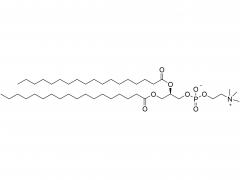
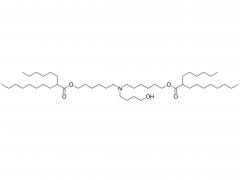
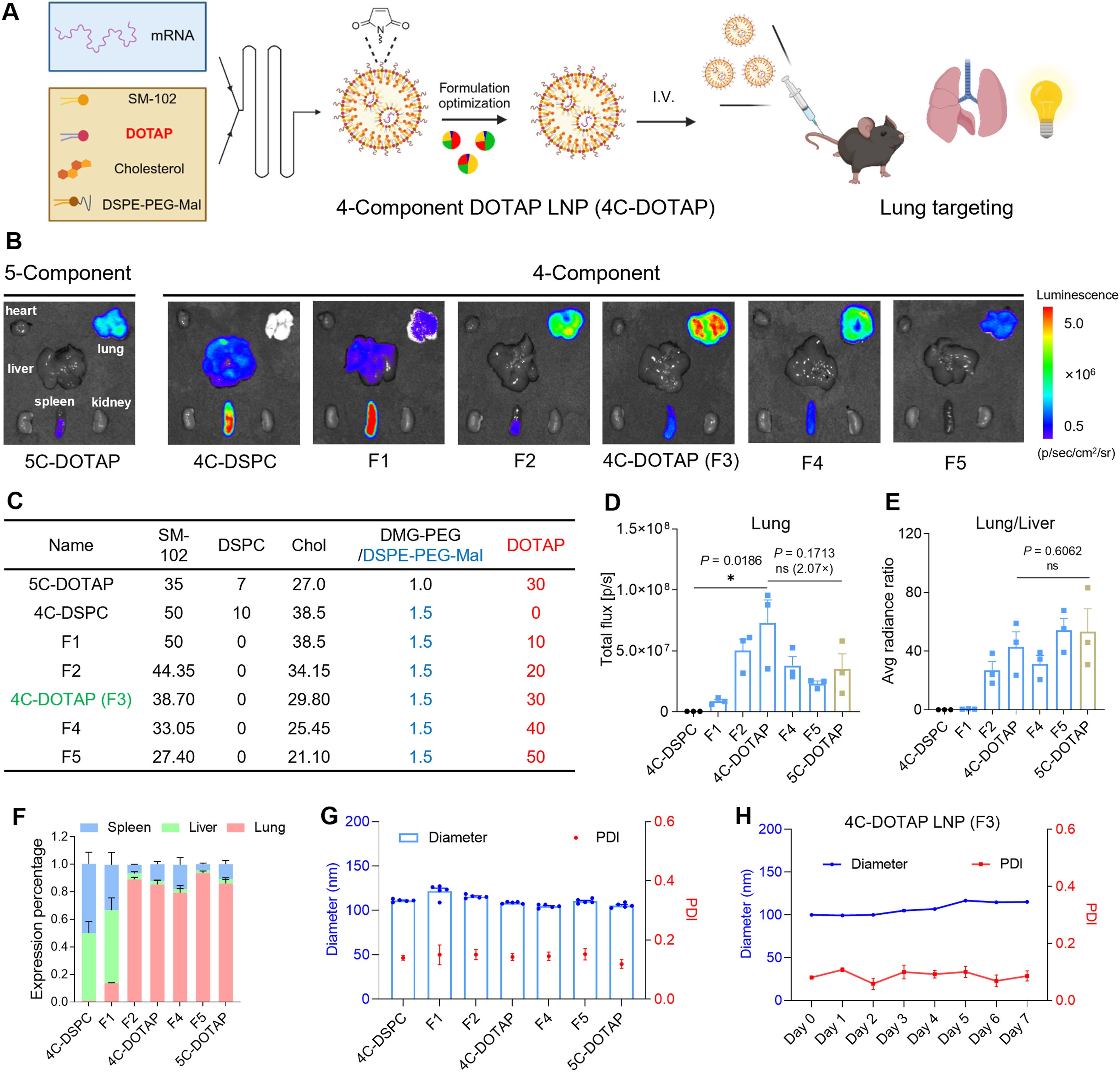
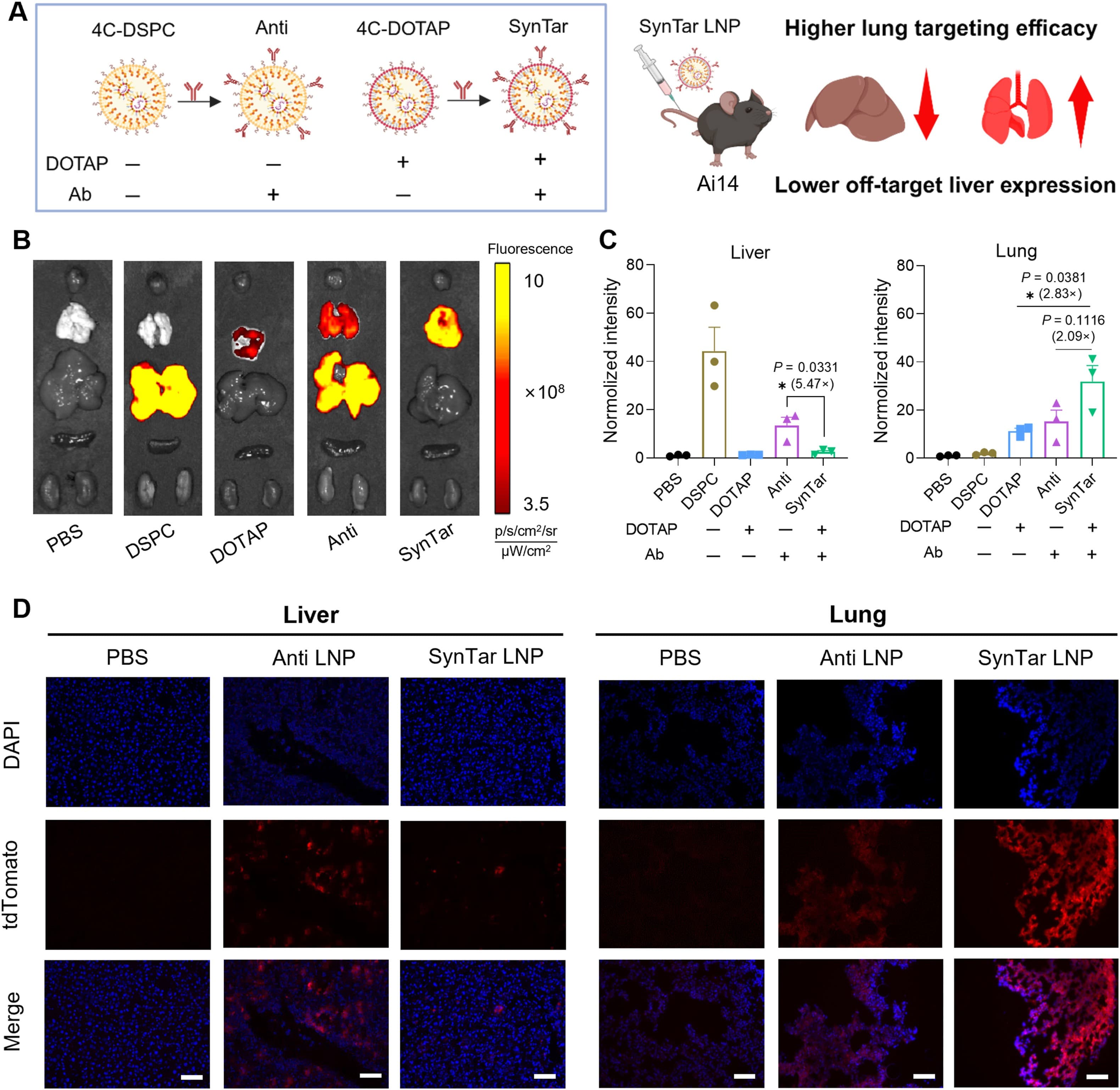
To improve mRNA delivery to the lungs, the research team first optimized conventional LNP composition based on the selective organ targeting (SORT) strategy through lipid substitution. Using the SM-102 LNP system as the foundation, they replaced DSPC with DOTAP and DMG-PEG with DSPE-PEG-Mal, constructing a four-component lung-targeting LNP system (4C-DOTAP LNP) composed of SM-102, cholesterol, DOTAP, and DSPE-PEG-Mal.
The study found that 4C-DOTAP LNP containing 30% DOTAP exhibited superior pulmonary delivery capacity compared to the conventional five-component DOTAP LNP system, with approximately a 2-fold increase in lung fluorescence signal, while maintaining a particle size of around 100 nm and a low polydispersity index (PDI < 0.2), demonstrating good stability.
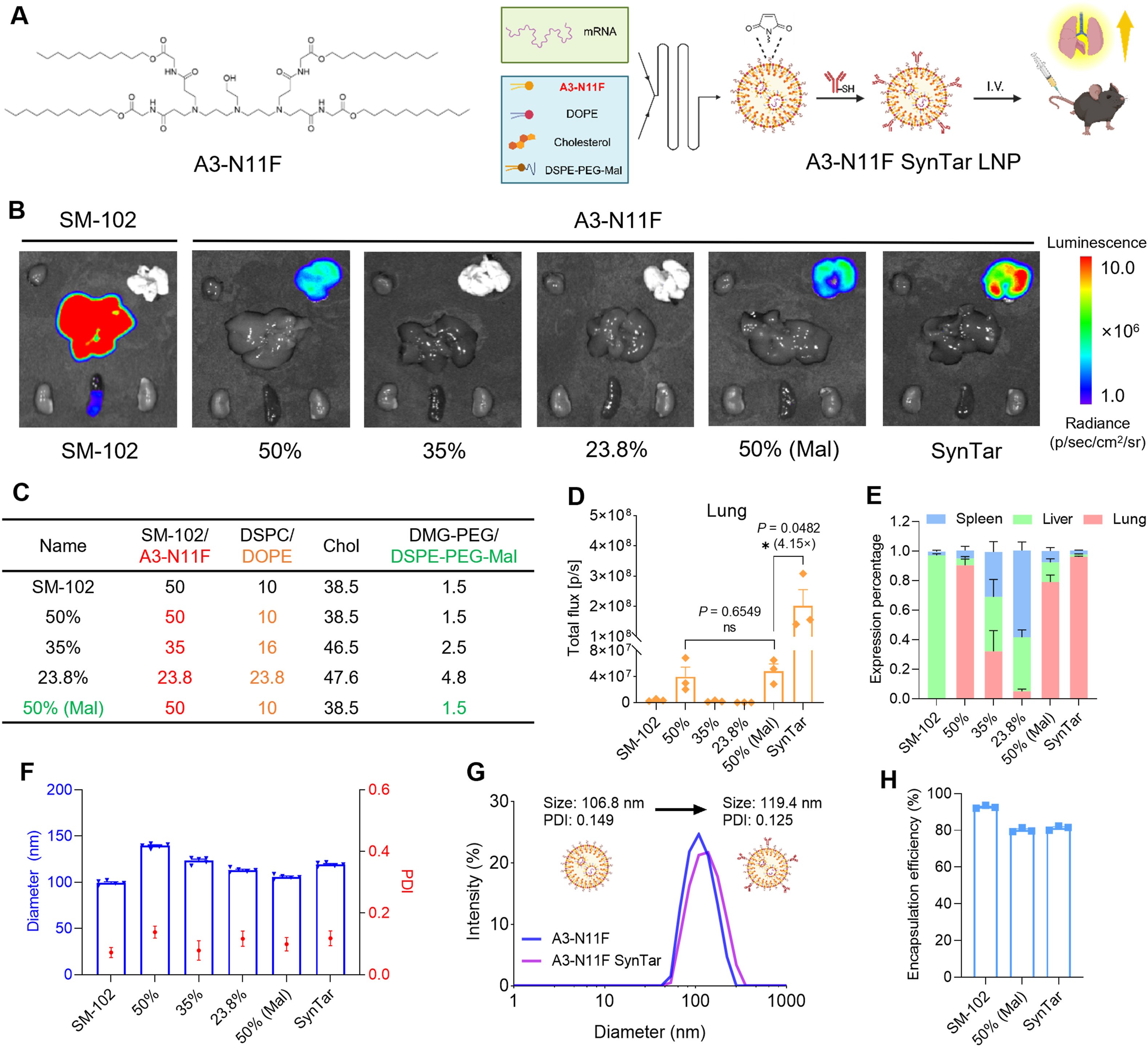
On this basis, the research team utilized the terminal maleimide group of DSPE-PEG-Mal to conjugate anti-CD31 antibodies via thiol-maleimide reaction, providing a linkage foundation for LNP functionalization.
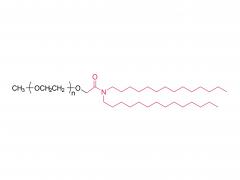
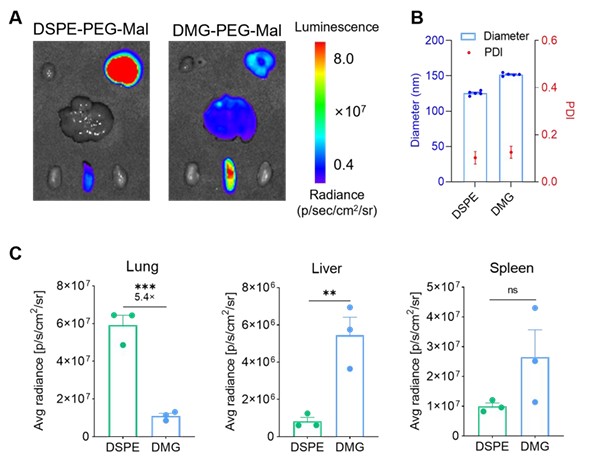
Further comparison revealed that Anti LNP constructed with DSPE-PEG-Mal achieved approximately 5.4-fold higher lung-targeting efficiency than the DMG-PEG-Mal system, while reducing non-target tissue expression in the liver and spleen. This may be attributed to the longer C18 hydrophobic chain of DSPE compared to the C14 chain of DMG-PEG-Mal, which enables more stable integration into the LNP lipid layer and helps maintain delivery efficacy after antibody modification.
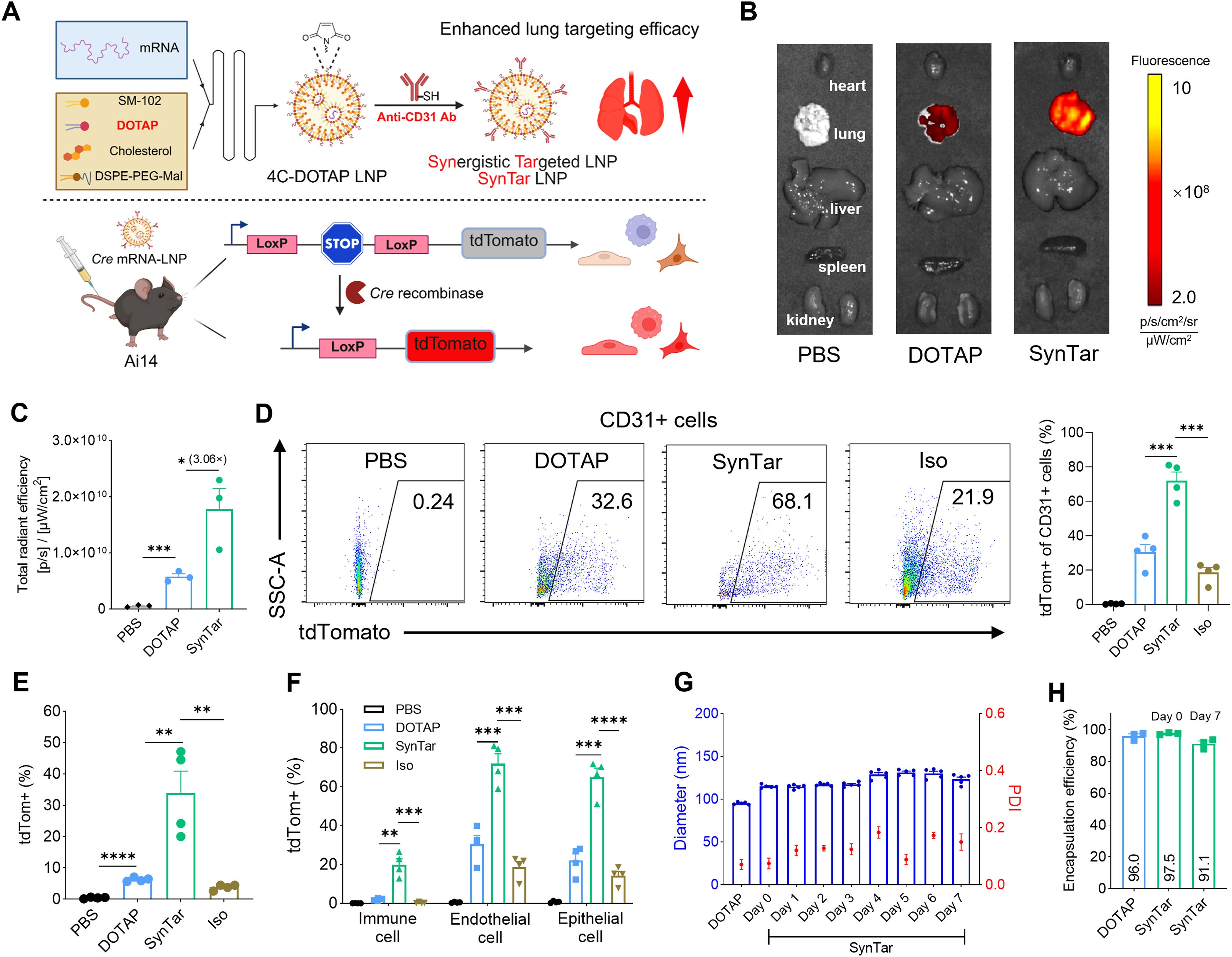
Based on these advantages, the research team further applied anti-CD31 antibody modification to 4C-DOTAP LNP to construct the SynTar LNP platform, enhancing pulmonary mRNA delivery efficiency and tissue selectivity through the synergistic effects of lipid composition optimization and antibody-targeted modification.
Synergistic Targeting Strategy Enhances Pulmonary mRNA Delivery Efficiency
After constructing SynTar LNP, the research team validated the pulmonary delivery efficacy of different LNP platforms using the Cre mRNA delivery system. Experimental results showed that compared to 4C-DOTAP LNP, SynTar LNP further improved pulmonary mRNA delivery efficiency, with approximately a 3-fold increase in lung gene editing signals.
Further cell-type analysis revealed that SynTar LNP effectively promoted mRNA expression in multiple lung cell types. Specifically, the proportion of tdTomato-positive lung endothelial cells increased from 30.5% in the 4C-DOTAP LNP group to 72.0%; the positive proportion in the overall lung cell population increased from 6.3% to 34.0%, with significant improvements also observed in immune cells and epithelial cells. In contrast, isotype antibody-modified LNP did not enhance delivery efficacy, indicating that the delivery enhancement of the SynTar platform primarily derives from the synergistic effect mediated by CD31 antibody targeting.
These results suggest that the SynTar platform does not simply increase the quantity of mRNA delivered, but rather achieves enhanced delivery efficiency and improved pulmonary tissue selectivity through the combination of lipid composition optimization and antibody-targeted modification.
Systematic Evaluation Reveals Delivery Efficiency and Safety Advantages of SynTar LNP
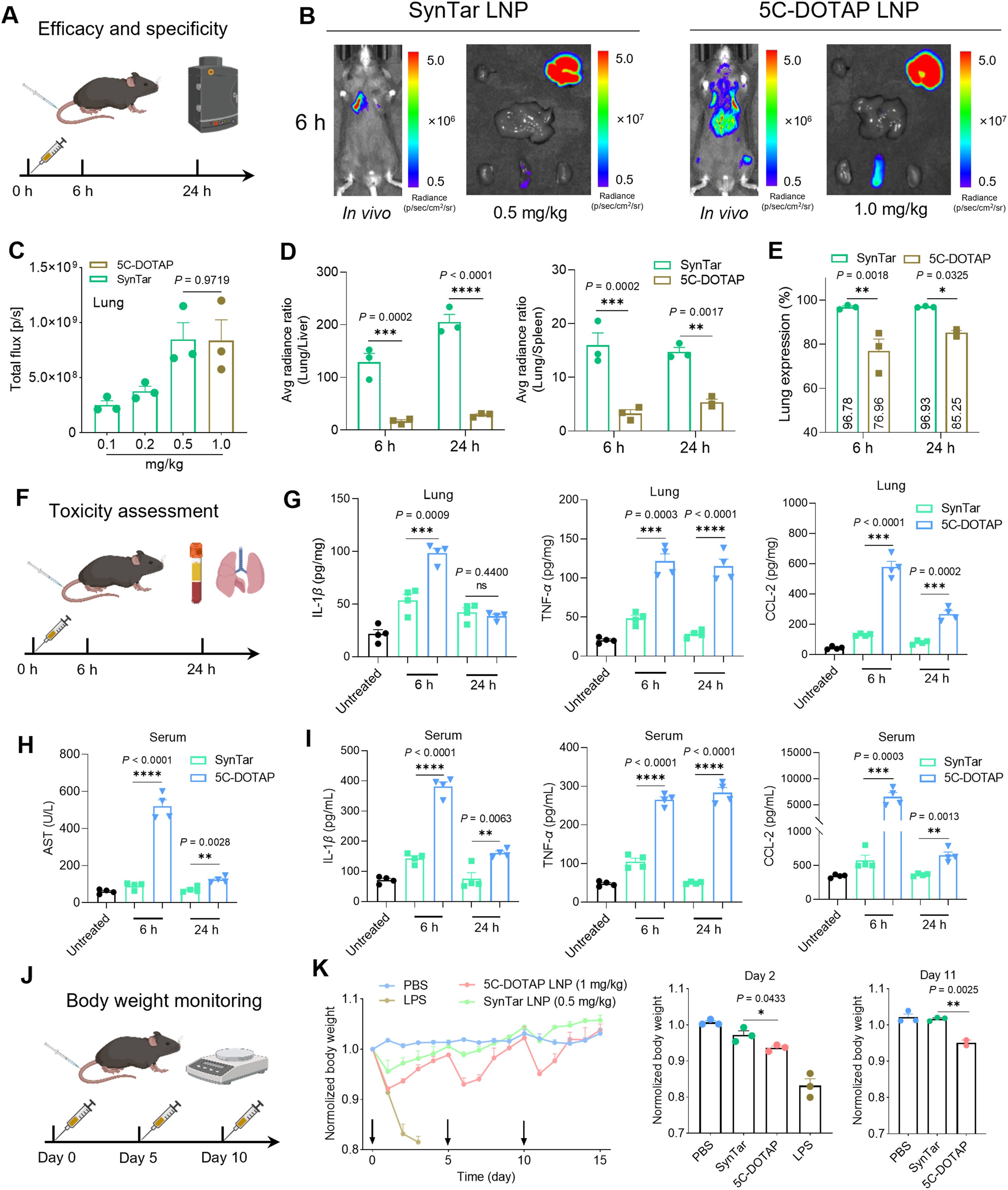
To further evaluate the delivery performance of SynTar LNP, the research team systematically compared the pulmonary expression efficiency, tissue selectivity, and safety profiles of different delivery systems, including DSPC LNP, DOTAP LNP, Anti LNP, and SynTar LNP.
The results showed that SynTar LNP exhibited superior pulmonary gene editing efficacy, with lung expression signals approximately 32-fold higher than the PBS group, significantly exceeding those of DOTAP LNP (approximately 11-fold) and Anti LNP (approximately 15-fold).
Meanwhile, SynTar LNP demonstrated a high proportion of pulmonary expression, reaching 96.78% and 96.93% at 6 hours and 24 hours post-administration, respectively, indicating good tissue selectivity.
Furthermore, in safety evaluations, SynTar LNP exhibited favorable safety profiles in terms of inflammatory cytokine release, liver and kidney function indicators, and histopathological examination, providing support for subsequent therapeutic application studies.
Encapsulating IL-15 Superagonist mRNA: Exploring a New Approach for Lung Cancer Immunotherapy
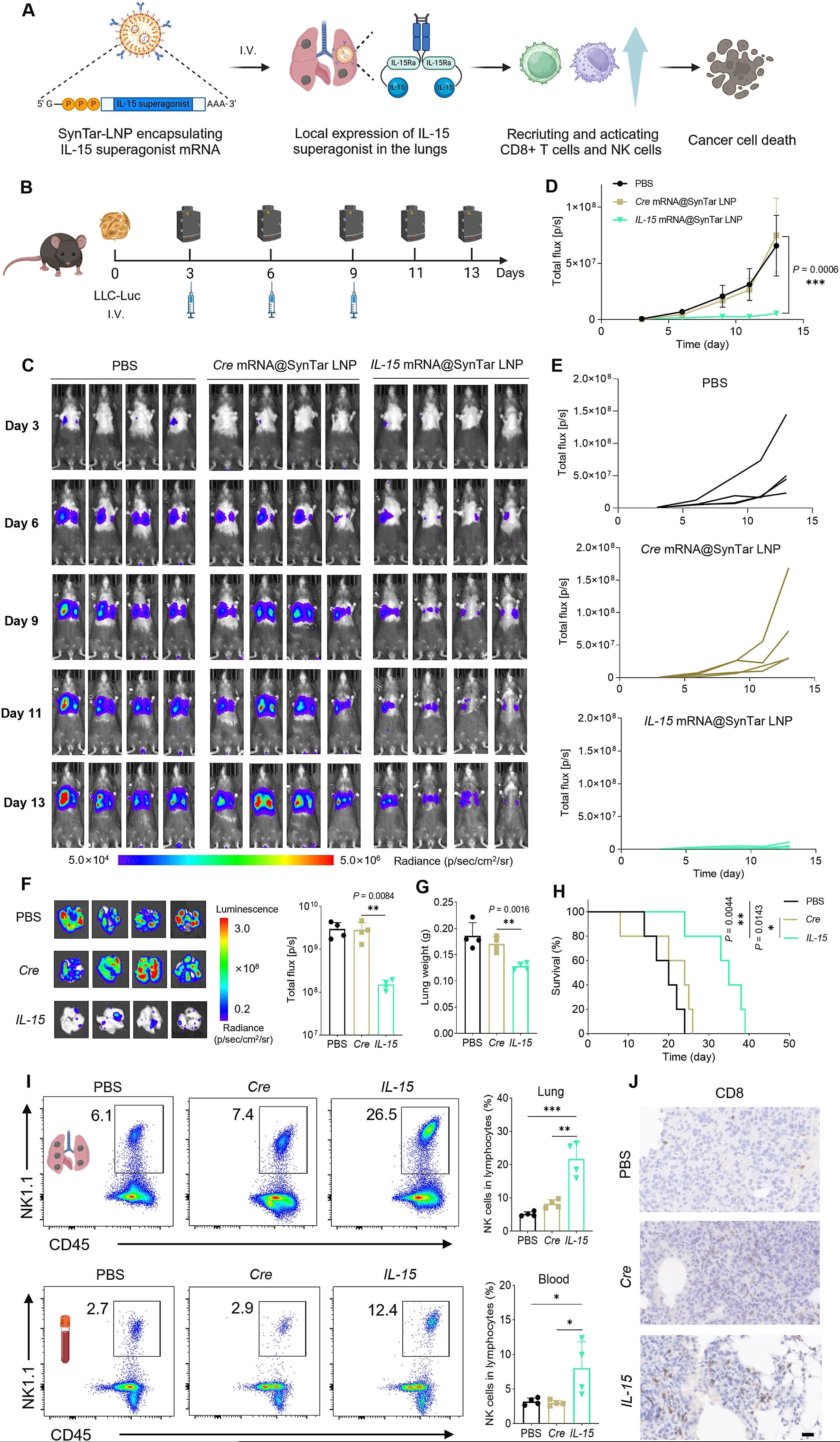
After validating the pulmonary mRNA delivery capability of SynTar LNP, the research team further encapsulated IL-15 superagonist mRNA into SynTar LNP and applied it in lung cancer model studies to explore its therapeutic potential.
IL-15 is an important immunomodulatory cytokine that promotes the activation of NK cells and CD8⁺ T cells, enhancing antitumor immune responses. However, achieving sustained IL-15 expression in target tissues while reducing systemic exposure has remained a significant challenge in therapeutic applications.
The results showed that following administration of IL-15 mRNA@SynTar LNP, sustained IL-15 protein expression in the lungs was achieved for over 72 hours, with significantly reduced systemic exposure in the blood.
In a lung metastasis cancer model, IL-15 mRNA@SynTar LNP demonstrated significant antitumor efficacy. Compared to the control group, the treatment group showed approximately a 12-fold reduction in tumor fluorescence signal, with ex vivo lung tissue analysis revealing approximately a 20-fold reduction in tumor burden, and median survival time of mice extended from 20 days to 35 days.
This study further demonstrates that SynTar LNP not only enables targeted pulmonary mRNA delivery but also holds potential as a therapeutic mRNA delivery platform.
SynTar Strategy Expands Applications in Pulmonary Targeted Delivery
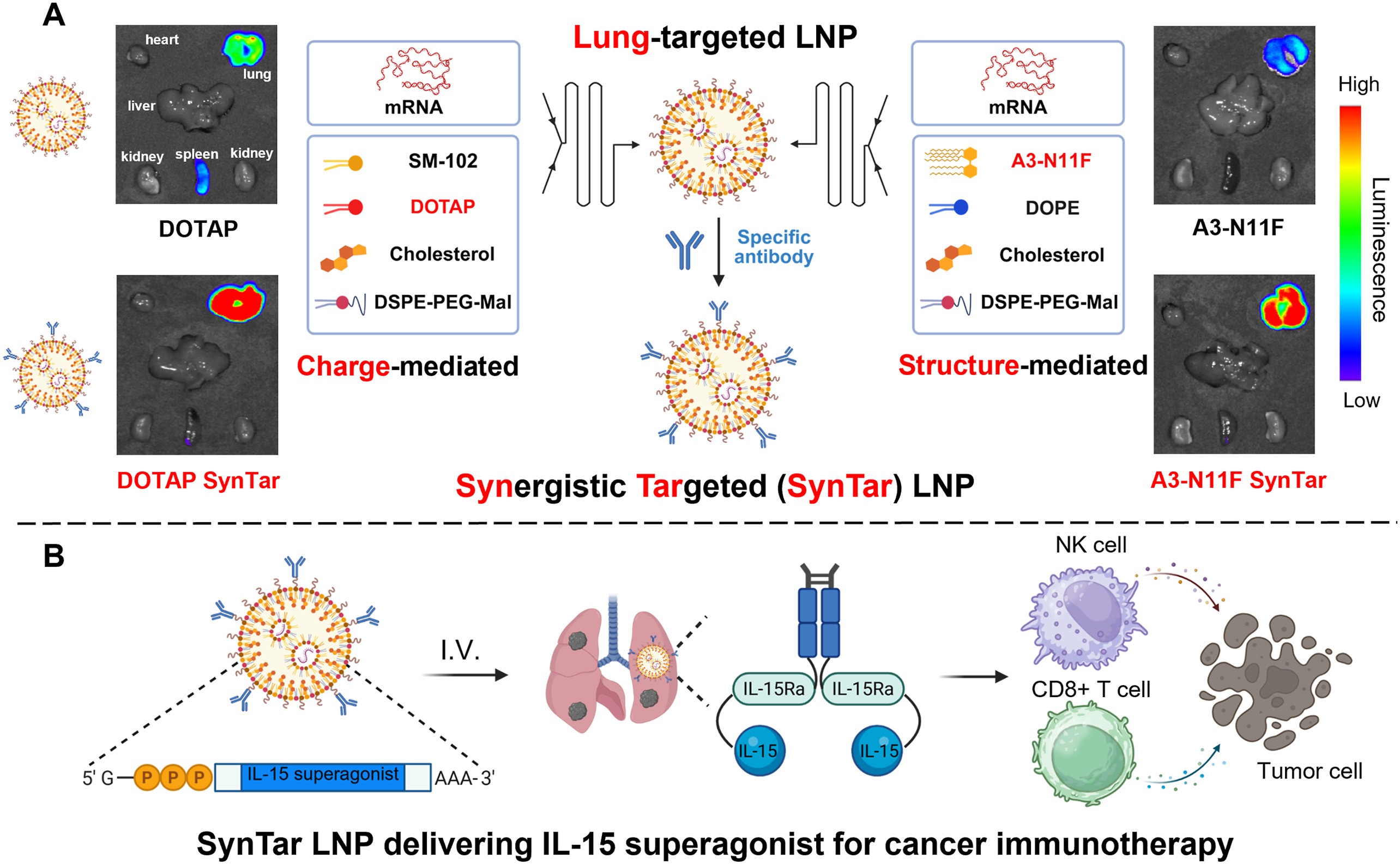
Beyond the 4C-DOTAP system, the research team further verified the applicability of the SynTar strategy in other lung-targeting LNP systems.
The results showed that applying the SynTar strategy to structure-driven lung-targeting LNPs similarly enhanced pulmonary mRNA delivery efficiency and tissue expression specificity, indicating that this strategy has the potential for further expansion to different LNP platforms.
Overall Conclusion
In summary, the SynTar delivery platform proposed in this study, through the synergistic design of "lipid composition optimization + functionalized targeting modification," provides a novel technical pathway to address the core challenge of extrahepatic targeted delivery of mRNA drugs, with the potential to advance developments in tumor therapy, pulmonary disease treatment, and gene editing.
Sinopeg Biotechnology: Committed to Nucleic Acid Delivery Technology Innovation
The SM-102, DSPC, DOPE, cholesterol, DMG-PEG2000, DSPE-PEG2000, and DSPE-PEG2000-Mal used in this study were all provided by Xiamen Sinopeg Biotechnology Co., Ltd.
Among these, DSPE-PEG-Mal serves as a crucial excipient for LNP surface functionalization, with its terminal maleimide group enabling antibody conjugation and providing key material support for the construction of functionalized delivery systems.
Sinopeg focuses on the R&D and production of PEG derivatives and LNP lipid excipients, with product lines covering ionizable lipids, phospholipids, PEGylated lipids, and functionalized phospholipids, and possesses scale-up production capabilities from gram to kilogram levels.
Currently, multiple LNP-related excipients from the company have completed pharmaceutical excipient filings both domestically and internationally. These include DSPC, DOPE, cholesterol, mPEG-DMG-2K, mPEG-DTA-2K (ALC-0159), DHA (ALC-0315), DOTAP-Cl, HUO (SM-102), mPEG-DTA-1-2K, and DHA-1, all of which have completed CDE pharmaceutical excipient registration in China and received US FDA DMF (CDER/CBER) filing support.
Additionally, DSPE-PEG-Mal(NH₄⁺)-2K has completed CDE pharmaceutical excipient registration (Registration No.: F20260000073) and is actively advancing US FDA DMF filing, meeting the requirements for functionalized LNP delivery system construction and subsequent drug development.
Looking ahead, Sinopeg will continue to monitor cutting-edge technological developments in the field of nucleic acid drug delivery and collaborate with researchers to explore further possibilities of advanced biomaterials in biopharmaceutical and related fields.
Reference:
[1] Zong Y, Wang Y, Lin Y, et al. Synergistic Targeted (SynTar) Lipid Nanoparticles Enhance the Efficacy and Specificity of mRNA Delivery in Lungs [J].Acta Pharmaceutica Sinica B, 2026.